End-of-line capacity
Pallet wrapper hire
Plan stretch-wrapping rental around pallet size, load stability, film, throughput and site access.
Explore pallet wrapping hire
UK packaging machinery rental
Flexible equipment rental for trials, seasonal peaks, urgent cover and planned production runs—without the commitment of buying machinery.
More ways to find the right rental route
These focused guides answer the questions customers ask before a hire enquiry and show which details Worthing Ltd needs to assess the job.
End-of-line capacity
Plan stretch-wrapping rental around pallet size, load stability, film, throughput and site access.
Explore pallet wrapping hireFlexible packs
Match dosing, film or premade pouches, seals, coding and output for a defined project.
Explore pouch machine hireFood production
Review depositors, fillers, sealing and connected equipment against the food, hygiene and pack.
Explore food machine hirePersonal care & household
Assess product behaviour, safety, contact materials, cleaning, container and site requirements.
Explore product filling hireDefined production window
Prepare a useful brief for trials, seasonal peaks, launch stock, contracts or temporary cover.
Read the short-term hire guideCommercial planning
Understand how equipment, duration, preparation, transport, installation and support shape a quote.
See packaging rental cost factorsPopular hire categories
Tell us what you are filling or packing, your container or pack format, target output and required dates. We will help identify suitable rental equipment.
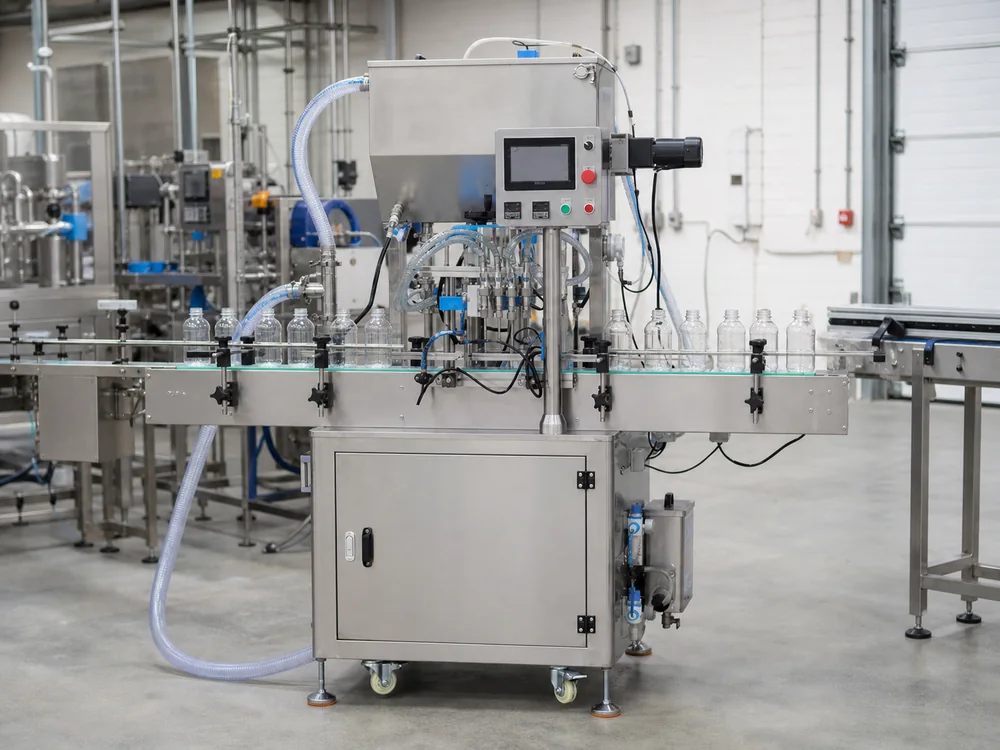
Liquid, paste, powder and granule filling options for trials and production runs.
Explore filling machine hire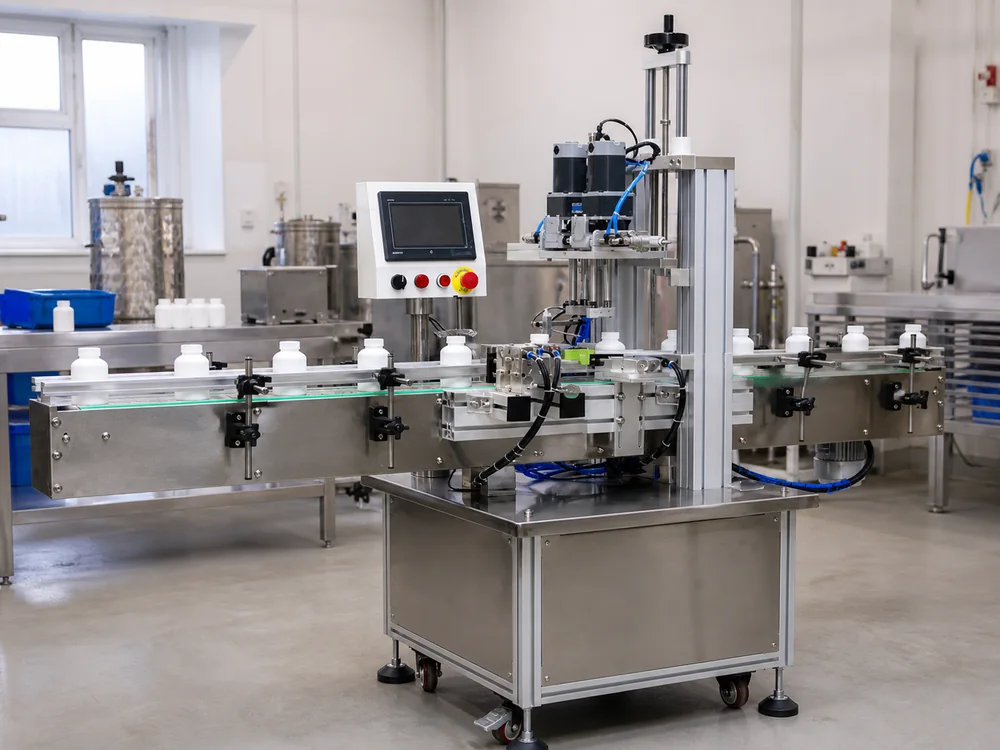
Closure application for bottles, jars and containers across common cap formats.
Explore capping machine hire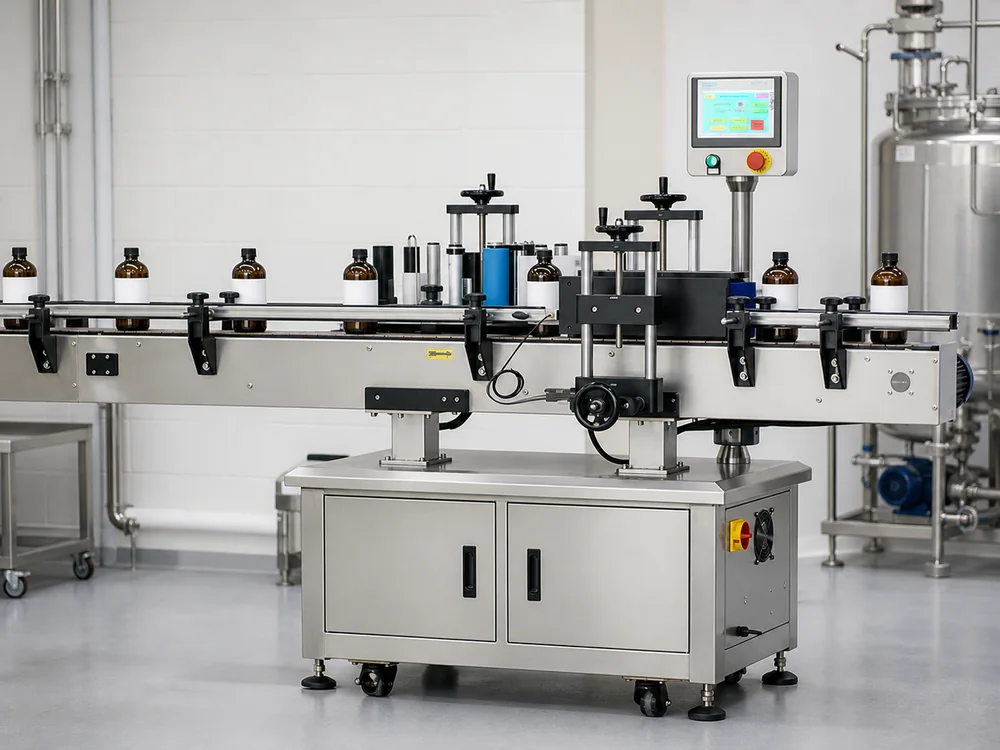
Labelling solutions for round, flat, front-and-back and wraparound applications.
Explore labelling machine hireWhy rent packaging machinery?
Machinery hire can bridge the gap between a production requirement and a permanent investment decision. It gives your team a practical way to respond to changing demand.
Add capacity for a defined peak without carrying equipment year-round.
Prove a format, process or market before making longer-term commitments.
Ask about suitable temporary equipment when an existing machine is unavailable.
Match machinery to contract work, campaigns and time-bounded production runs.

A straightforward hire process
Share your product, container, closure or pack, target output, dates and site details.
We assess the requirement and identify a suitable hire route, subject to availability.
Confirm the equipment, hire period, logistics, site preparation and commercial terms.
Coordinate delivery, setup and the agreed support so your team can begin production.
Equipment fit matters
Viscosity, particle size, container dimensions, closures, label material, required speed, washdown needs, power and compressed air can all affect suitability.
That is why every enquiry starts with the application—not a generic online checkout.
Discuss your application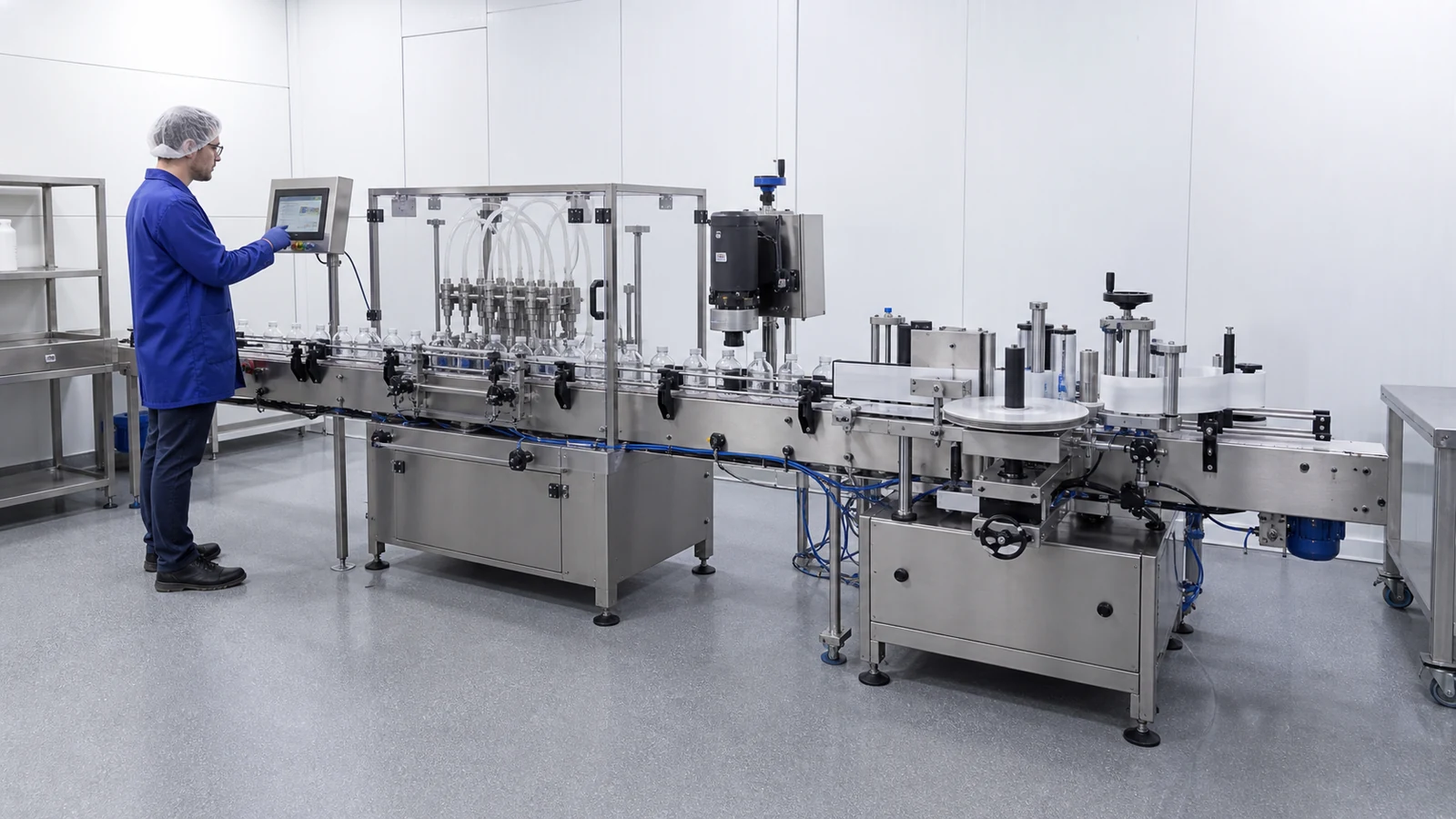
Common questions
Typical enquiries include filling, capping, labelling, sealing, coding, conveyors and integrated packaging-line equipment. The suitable option depends on your product and pack, and all hire is subject to availability.
Hire periods are agreed around the project and equipment availability. Tell us your preferred start date and expected duration so the rental can be scoped correctly.
Yes, trials and pilot production are common reasons to consider rental. We will need enough product, pack and output detail to assess whether available machinery is appropriate.
UK delivery and collection can be planned as part of the hire quotation. Access, offloading, positioning and installation requirements should be discussed before the booking is confirmed.
Check availability
A useful enquiry includes the product, viscosity or particle detail, pack format, dimensions, target output, dates, site postcode and available utilities.
Start with your application
Share the product, pack, output, site details and dates for a practical hire conversation.
For a launch or first machinery hire, put the required dispatch date on the plan before choosing a delivery date. Work backwards through final packing, production, first-pack approval, setup and operator instruction. Add the time needed for the correct product and packaging to reach the site. This separates the date a machine arrives from the date your team can confidently begin the intended run.
Give Worthing one owner for the open decisions. That person should be able to confirm samples, pack artwork, utility readiness and the intended operating arrangement. Identify any trial or customer approval that must happen before the main batch. If a component is still being sourced, show its expected arrival and explain which specification remains unconfirmed rather than assuming an alternative will run the same way.
Agree the scope at each handover: what accompanies the machine, what the site prepares, what instruction is included and how the return will be arranged. HSE guidance makes equipment training dependent on the task and existing knowledge. A first hire should therefore leave room for the actual team to learn the agreed routine, with remaining questions resolved before production is committed to a tight deadline.
Build a schedule that allows for delivery, setup, instruction and first-pack approval before the intended production run. Confirm the chargeable period and the practical dates with the rental team.
Tell the team which specifications are open and when approved components are expected. Suitability and preparation may need to be reviewed when the final materials become available.
The useful rental comparison is the total scope needed to produce the accepted quantity during your production window. A machine charge alone does not show whether tooling, setup, labour, consumables and return arrangements are included.
List quantity by SKU, pack format, available working time and the operations to be completed. Identify trial or first-pack approval before the main run. Use this same scenario for each proposal so a higher-capacity machine is not compared with a lower-cost option that needs more shifts or manual work.
Ask which costs relate to the whole booking and which depend on duration, use or consumables. Include format preparation, transport, positioning, instruction, cleaning and collection. Note the assumptions rather than inserting a universal daily rate or expected output.
Include product replenishment, pack supply, changeovers, checks and rejected units in the schedule. Where a trial is needed, agree how it will demonstrate suitability before committing to the production quantity. The supplier should confirm the achievable duty for the proposed arrangement.
Consider a shorter run if demand falls and an extension if materials arrive late or production takes longer. Ask how those changes are handled under the hire terms and equipment commitments. A preferred extension is not confirmed availability.
Review the rental cost guide and short-term hire planning with this scenario. Send the essential pack details and dates through the existing enquiry route so equipment fit and commercial scope can be assessed together.
Related guidance: Short-term machine hire
The last saleable pack is not necessarily the end of the rental work. Identify remaining product, unfinished packs, routine cleaning and checks, disconnection and collection preparation. Agree which tasks belong to your team and which require supplier or competent specialist involvement; use the machine instructions and approved site procedures.
Create a receipt record for the machine, format parts, tools and accessories. Keep items removed during an approved format change linked to that record rather than mixing them with the site’s own stock. Record any issue when discovered so a missing part is not first noticed when the collection vehicle arrives.
Reconcile accepted product, held work and unused packaging through the production process. Confirm that the agreed cleaning method and return condition are suitable for the materials used; a visual wipe does not establish that every product-contact route is ready for a different application. Obtain guidance where the required condition is unclear.
Before the confirmed end date, compare remaining accepted quantity with the time and materials available. Ask about an extension while an alternative completion route can still be considered; it is not automatically available. The short-term hire guide and rental cost guide help tie the full period to the campaign.
Select pallet wrapper hire around the loads you actually dispatch and the way pallets enter and leave the wrapping area. Provide loaded dimensions, weight range, load characteristics, film requirements, output demand and site access. Worthing Ltd reviews the proposed application and available equipment; a wrapper category or nominal pallet size does not confirm suitability for every load.